For facilitators
The cards that
a circle
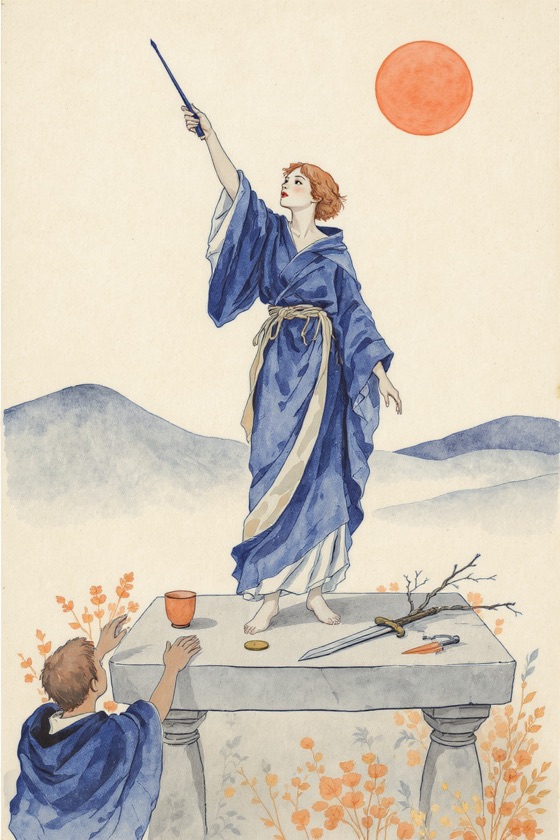
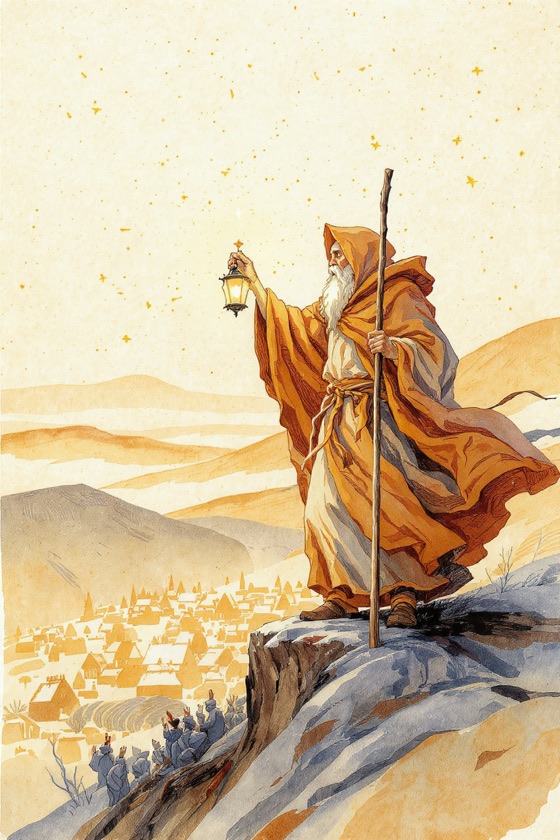
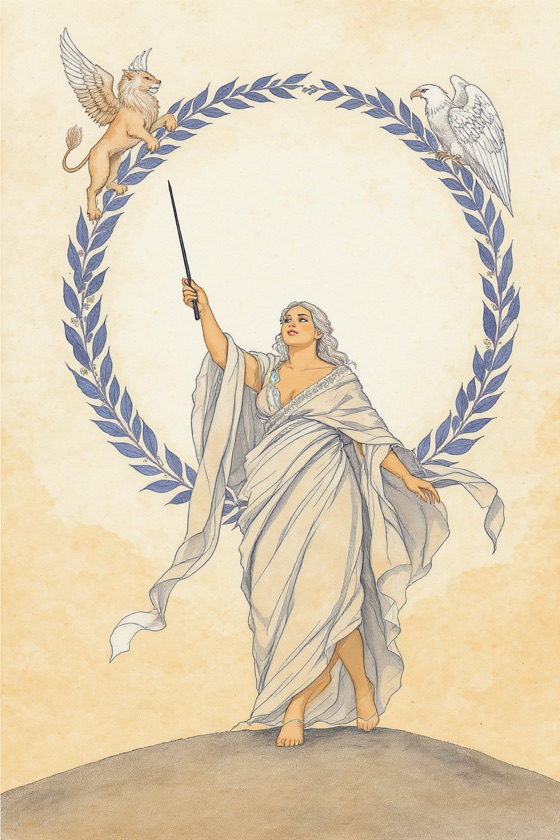
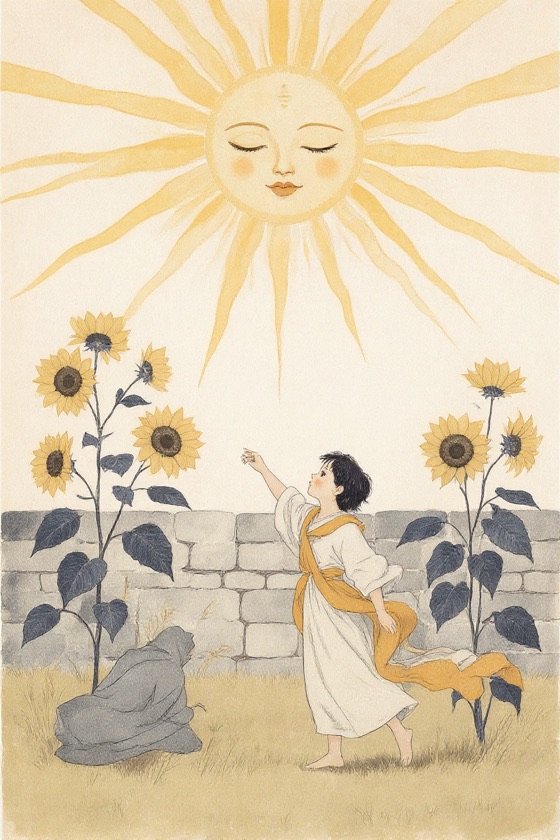
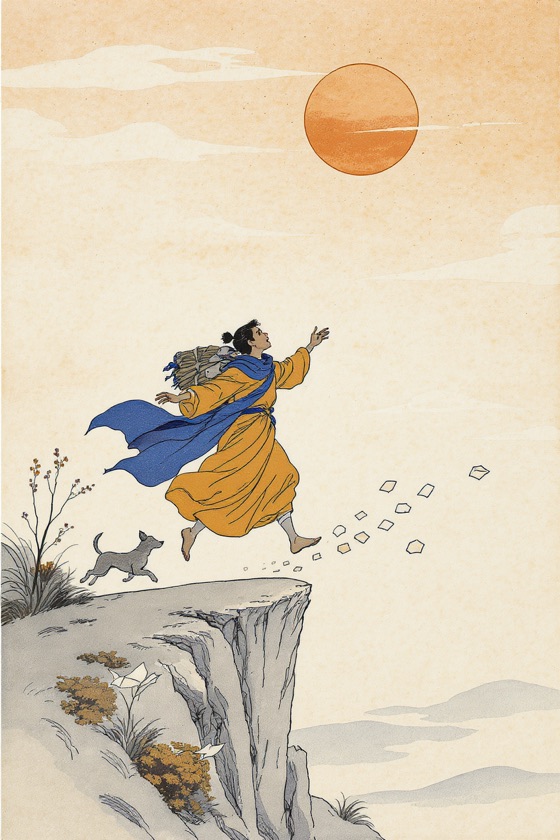
Every human life passes through the same doors: setting out, finding love, taking power, losing the way, being broken open, finding hope, coming home. For six centuries the Major Arcana have mapped those 22 steps, in a game about what all of us live through. And now your group can make its own deck, from its own stories.
- A retreat
- A team day
- A workshop
- A coaching group
- A video call
- A dinner table
- A family gathering
- A community evening
- wherever you gather…
Why it matters
Something real to do together
We long to connect, and more and more of our days pass among things that aren't quite real. What brings a group alive is what's true: what we've lost, what we hope for, what we're afraid of. That's hard to begin, and easy to get wrong. It can feel like a lesson, or therapy, or a party trick.
The cards are none of those. They tell nobody how to live. Arcana means secrets, and a card gives people somewhere to put what they've never found a way to say. Phones go down, people look at each other, and they remember they're in this together. Some will laugh. Some will cry. It's a very old game, and we need it now.
A structure people trust
The 22 steps are old and familiar, so nobody has to invent a way to begin. Each person has a place to stand, and a question to answer.
Closeness that comes easily
Sharing through a symbol feels safe, and it's intimate. People find out what they have in common, and what they've been carrying.
A game, for real
The tarot has a reputation for being mystical and a little scary. Here it's a game and a mirror. Nobody predicts anything, and what comes up is real.
In your programme
Where it fits
Use a little of it or all of it. It can open the room in a quarter of an hour, or run through a whole programme as the thread that holds it together.
15 minutes · no setup
As an icebreaker
Everyone draws a card from an open deck on their phone, and says what it stirs in them. There's nothing to prepare, and it opens a room faster than another round of names.
An hour or more · your own deck
For depth
People offer a sketch or a few words about what they're living. Set in the journey from the Fool to the World, the group sees its own story, and you have a rich conversation to hold.
The last session, or a reunion
As a closing ritual
Reveal the finished deck when the programme ends, or weeks later as a reason to meet again. People leave with something to hold, and a way to keep in touch with what happened.
What you get
Your own studio
When you join, you get a private workspace inside Arcanakin, on your computer or tablet. This is where you build and run every deck. Your group never sees it. They simply use a link on their phones.
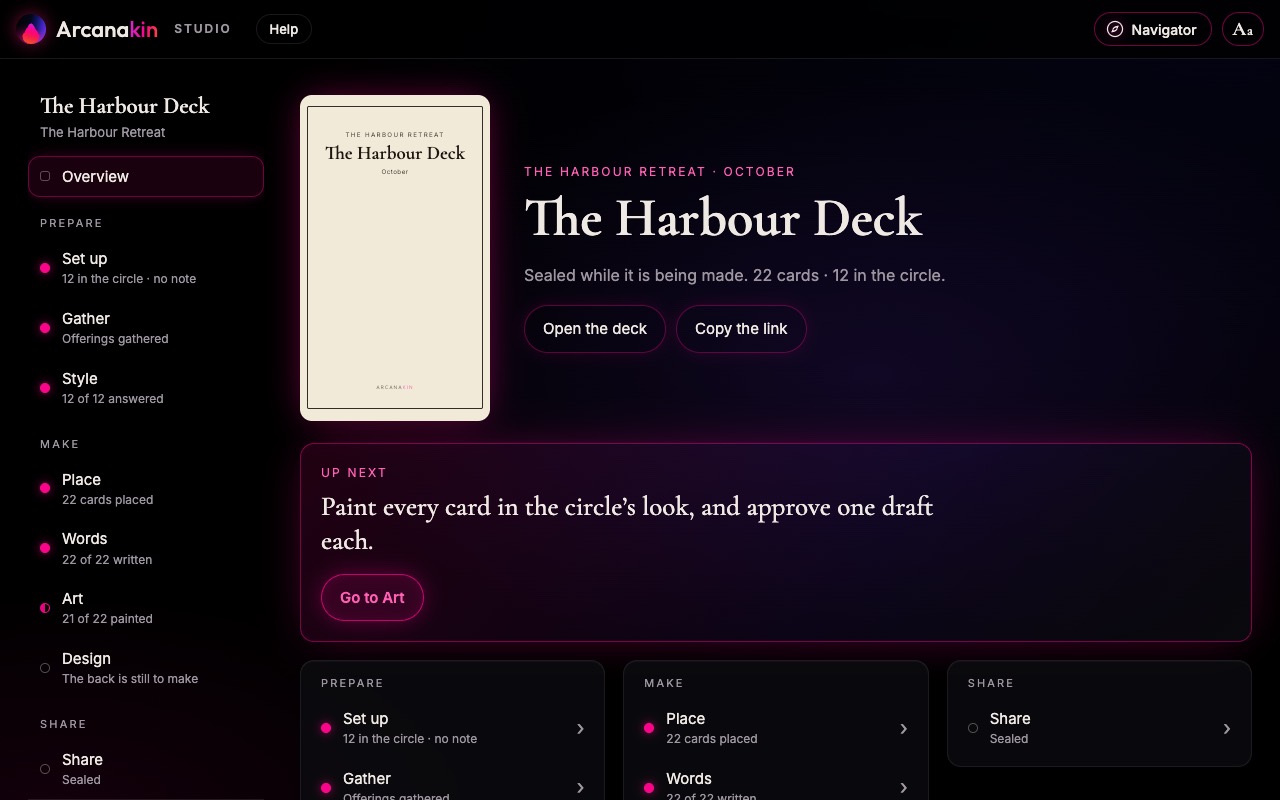
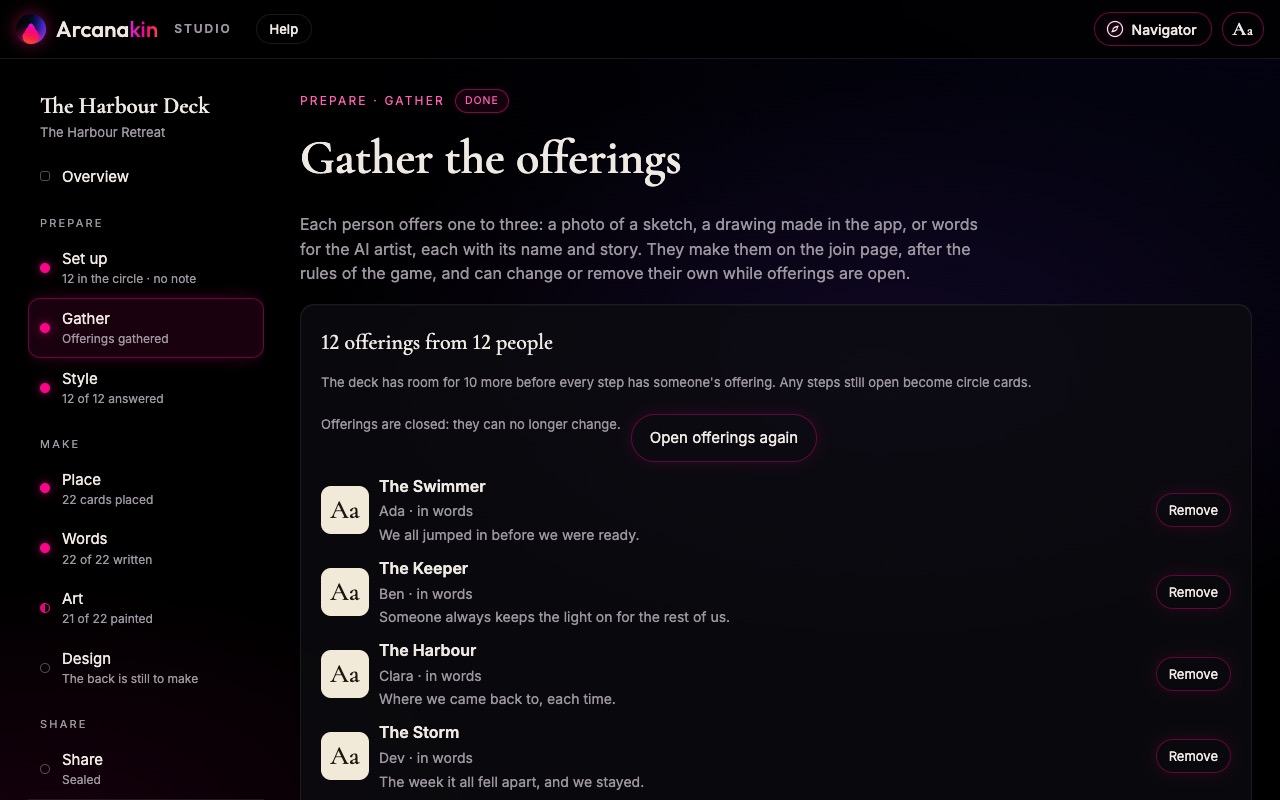
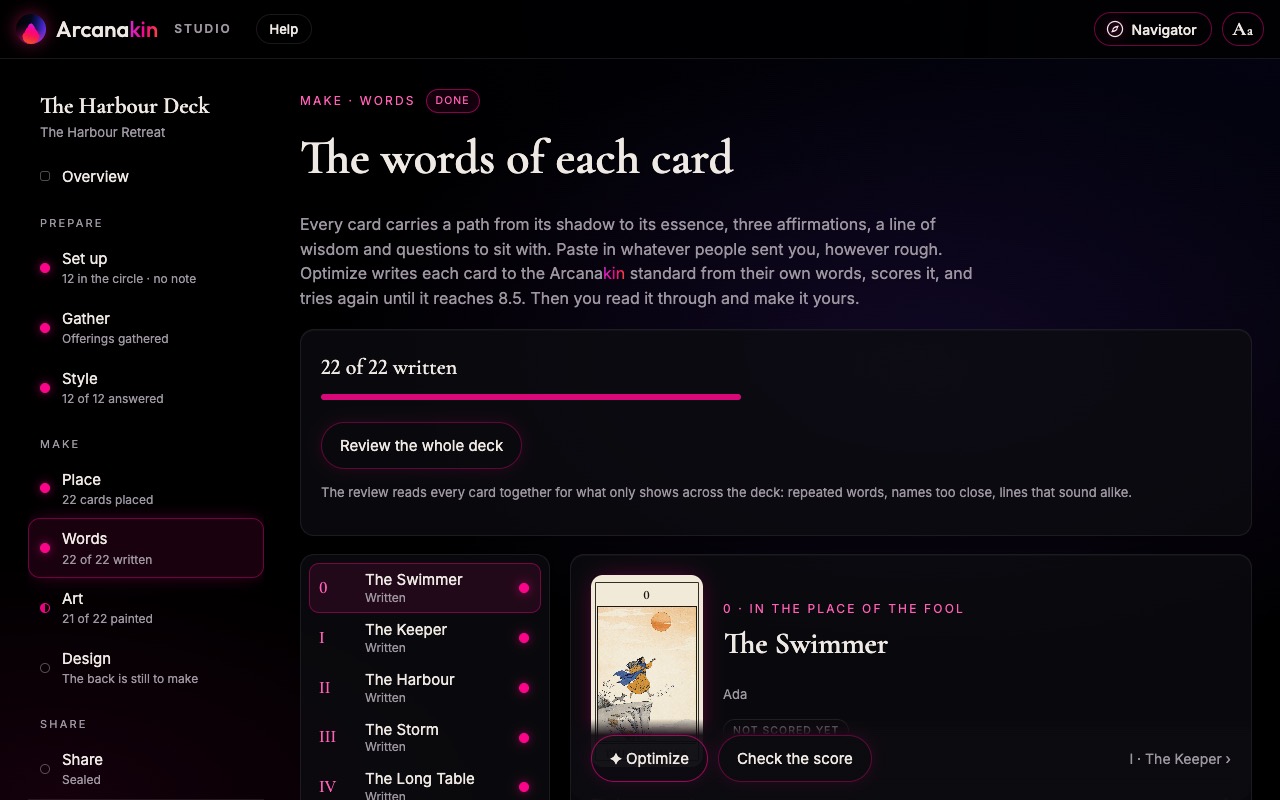
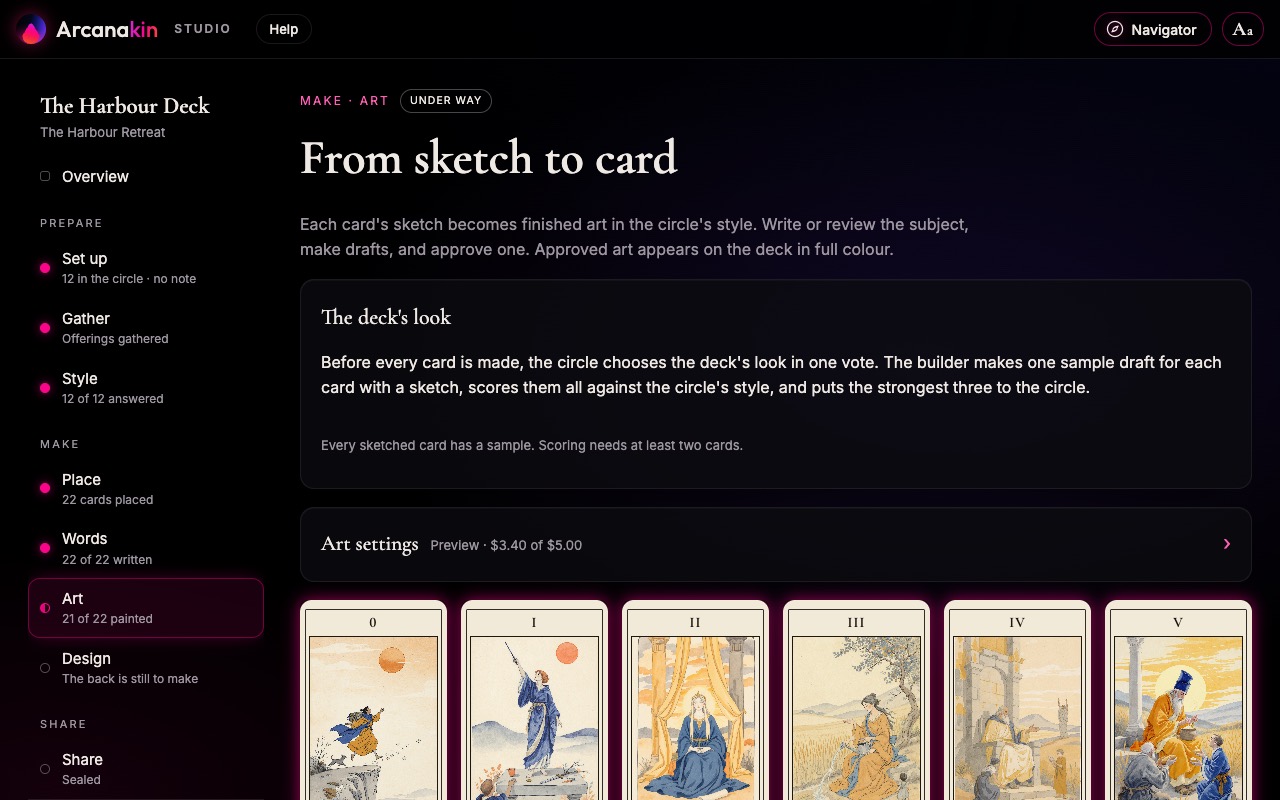
A sample deck, shown as it looks in the studio.
What your group sees
One link, on their own phones
You share one link and one code with the whole group, from 8 people up to 25. Nobody installs anything or makes an account. Each person brings up to three offerings, and every offering has two parts: an image, and the story that holds its meaning.
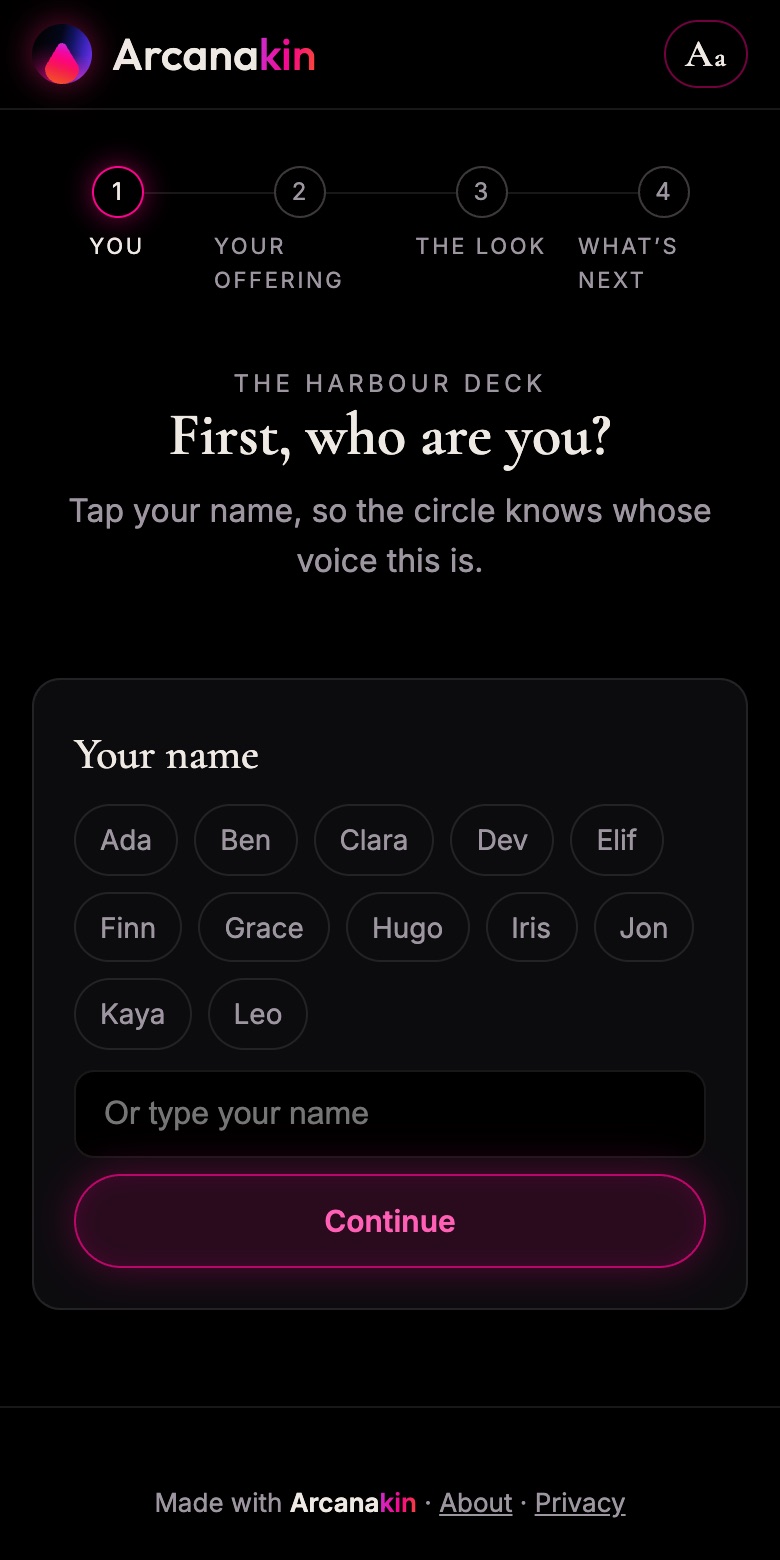
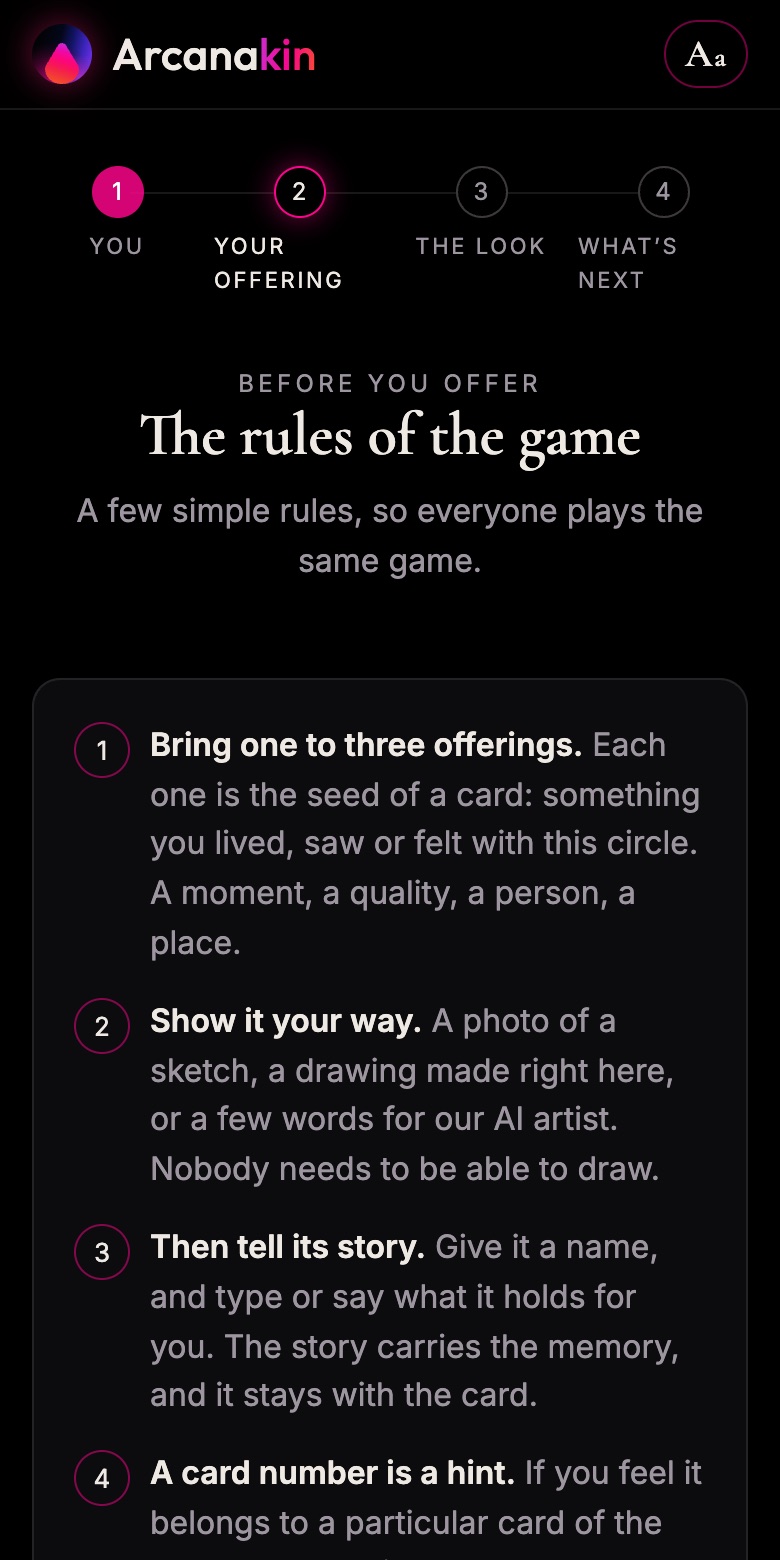
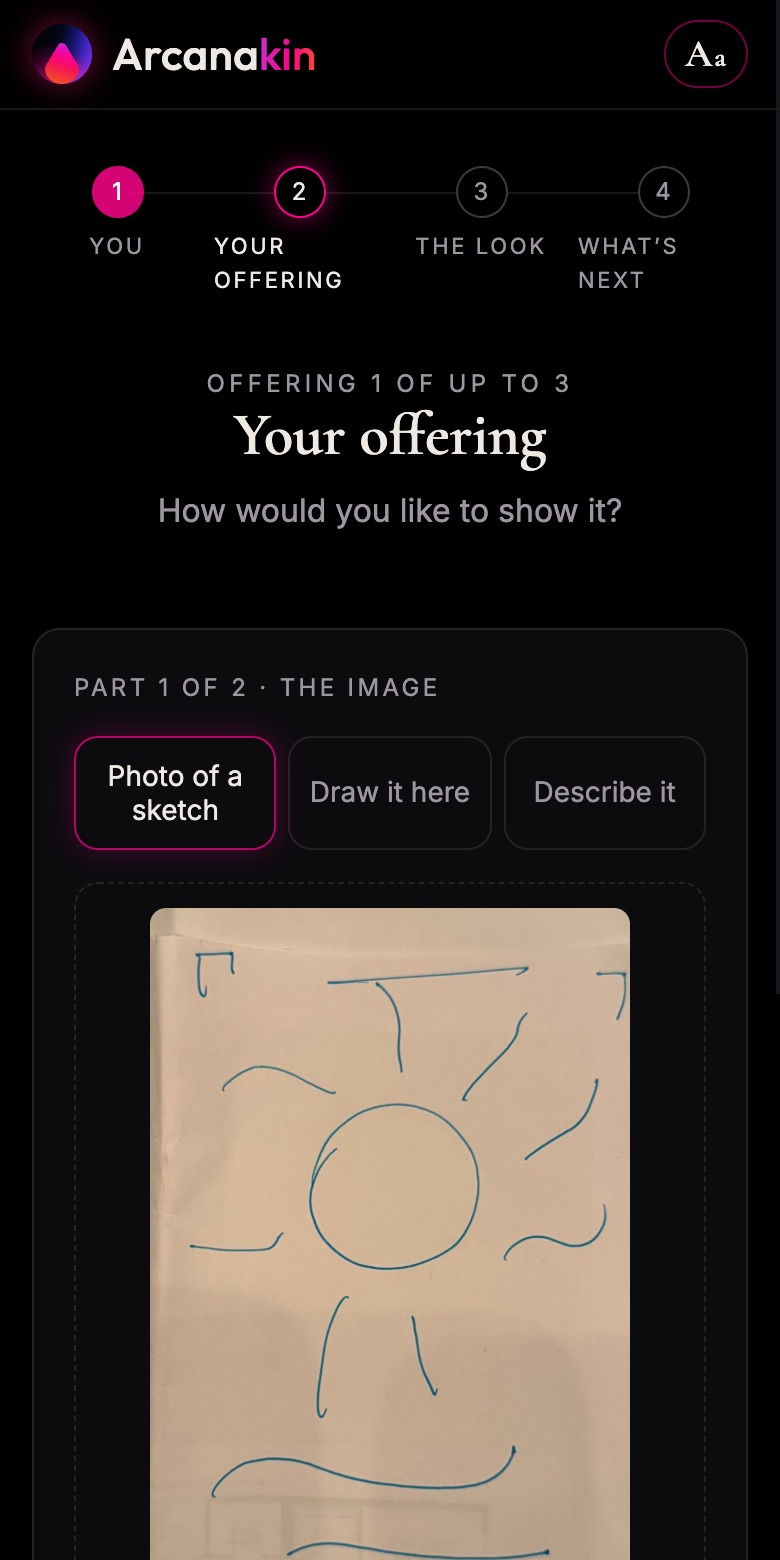
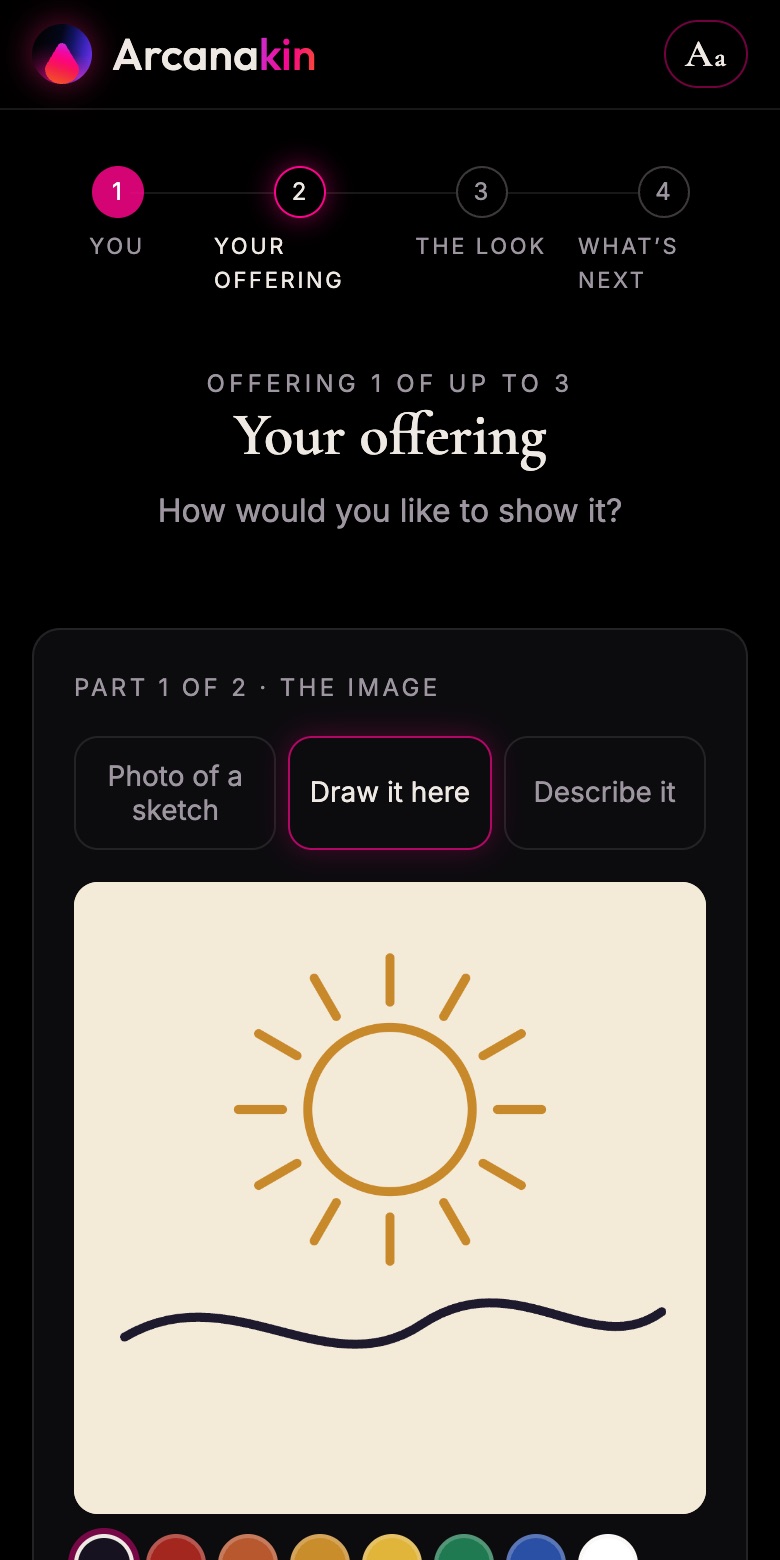
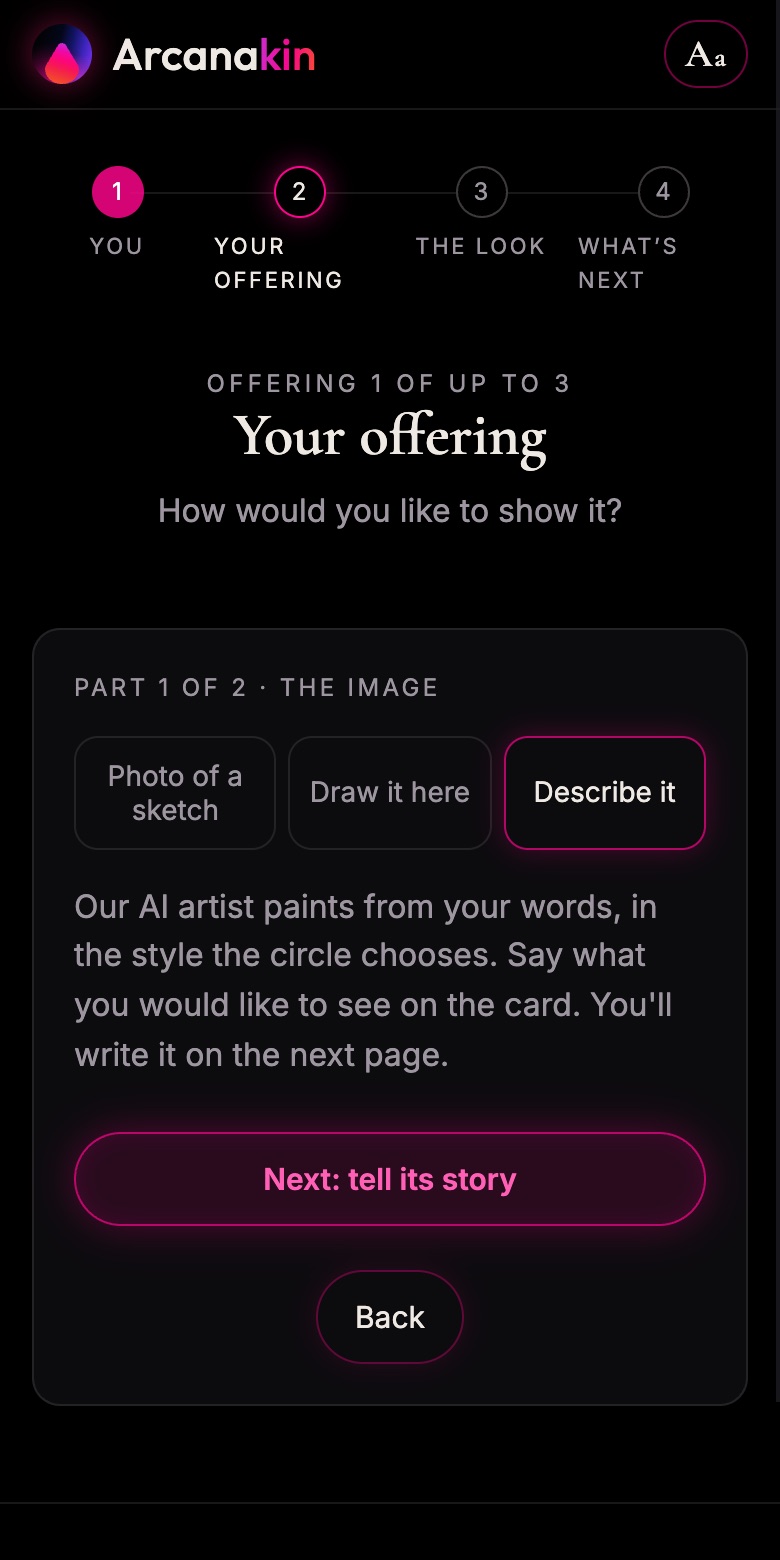
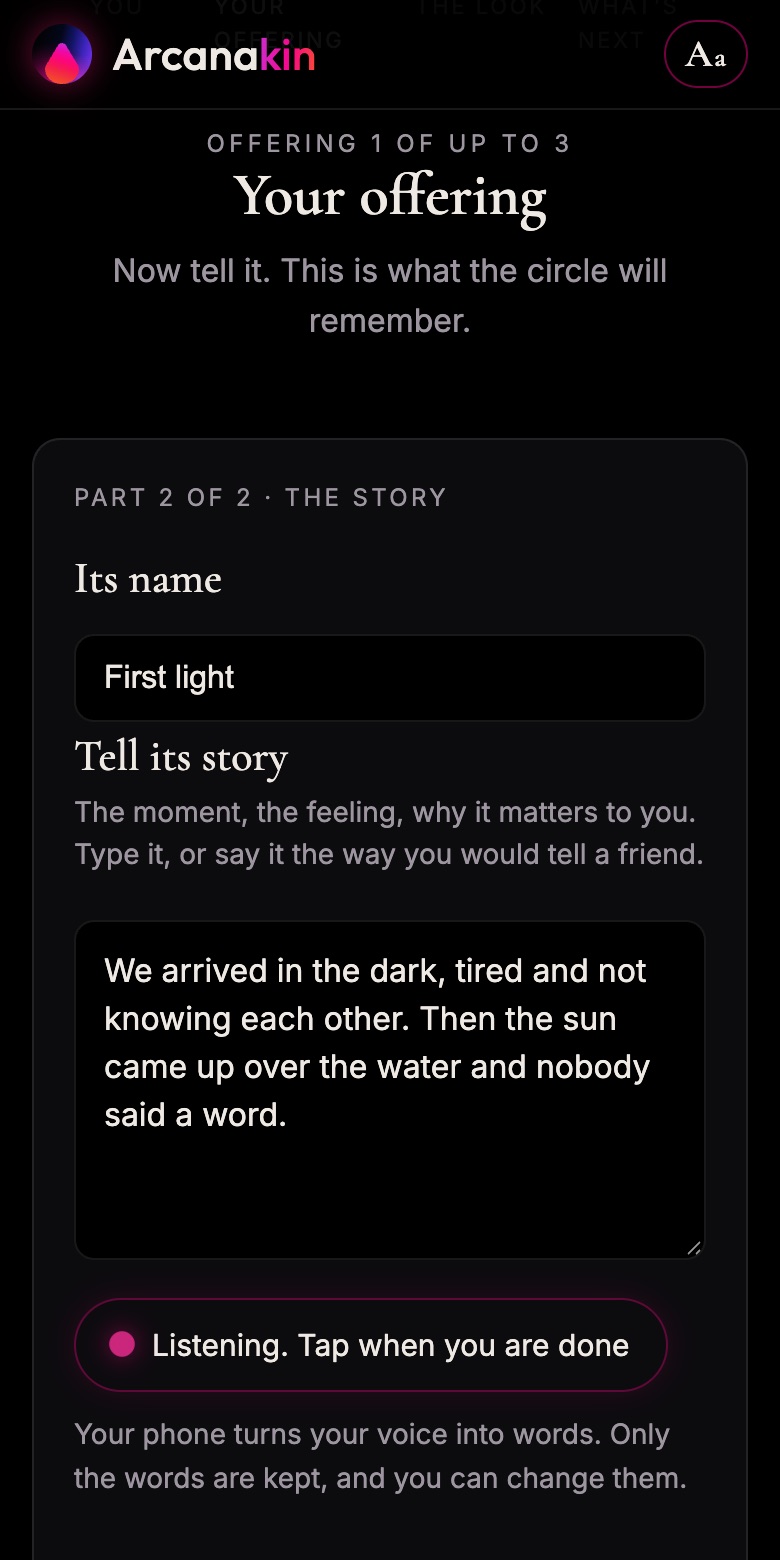
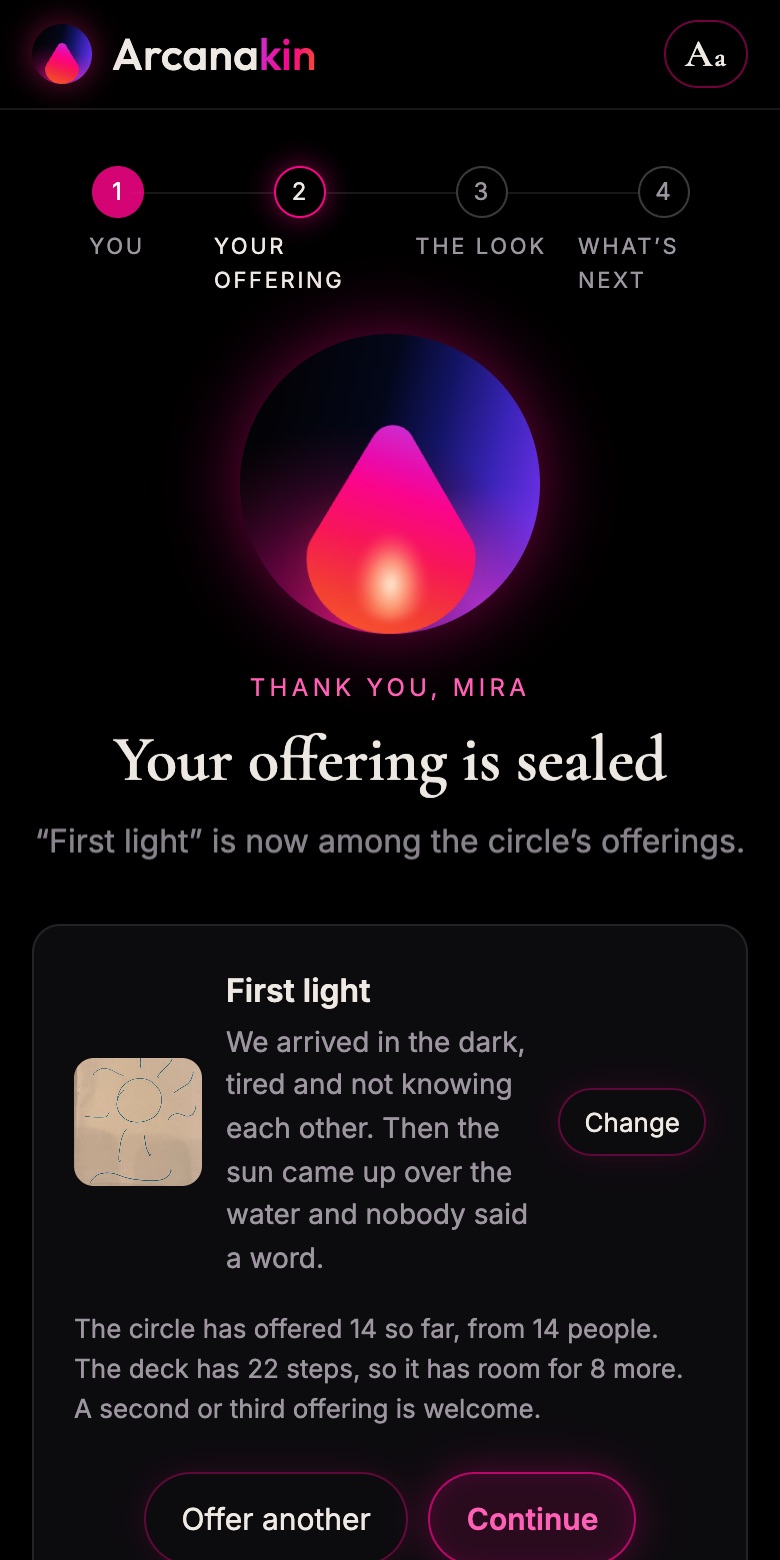
A sample deck, shown as it looks on a phone.
What an offering becomes
One sketch, ten looks
This pen sketch of the sun went through Arcanakin's real painting step once for each of the ten looks your group can choose from. Your group chooses one together, and every card in the deck is painted in it.
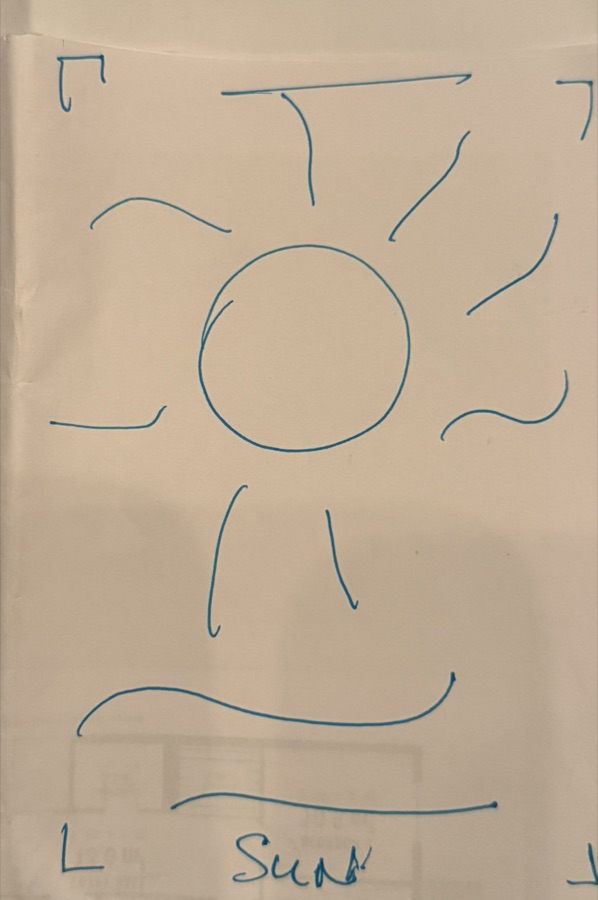
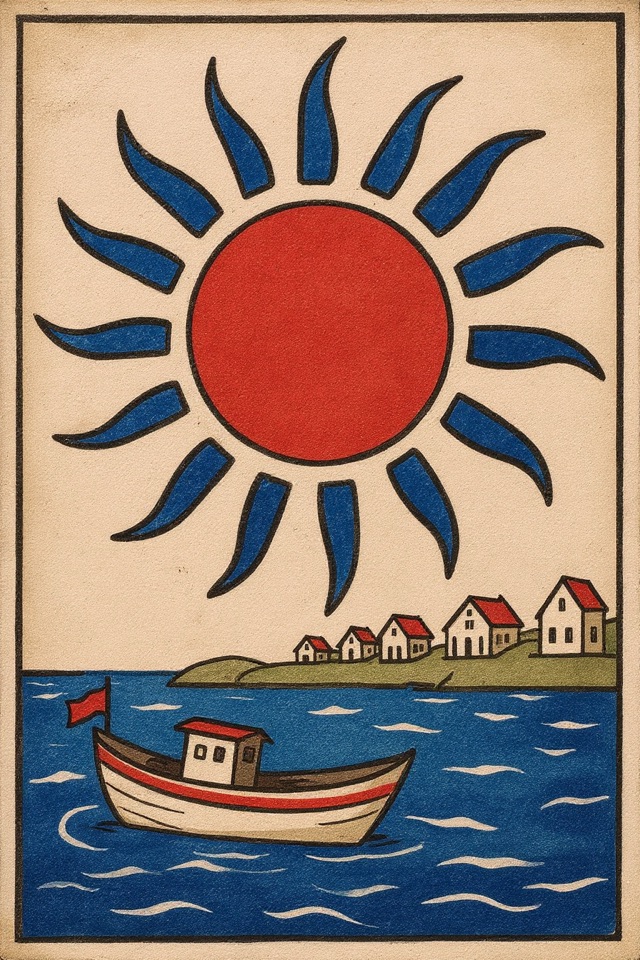
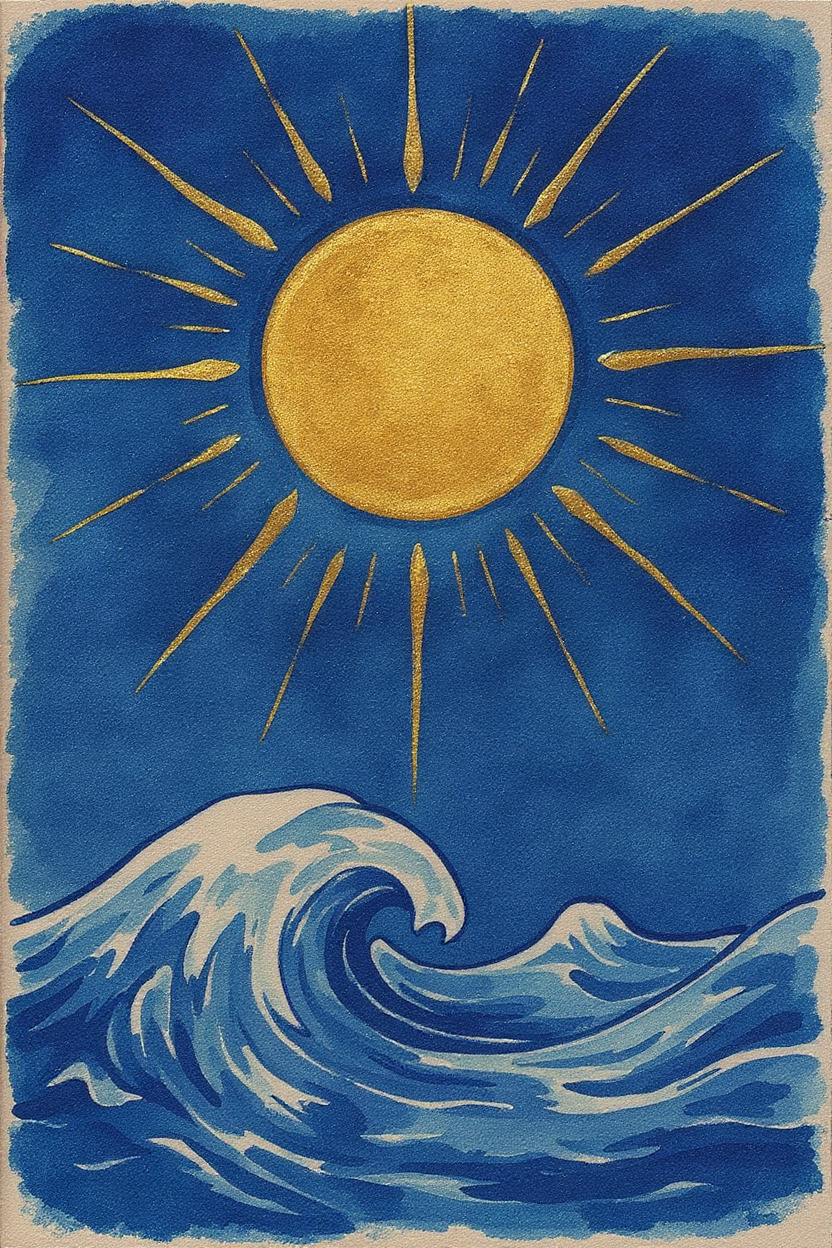
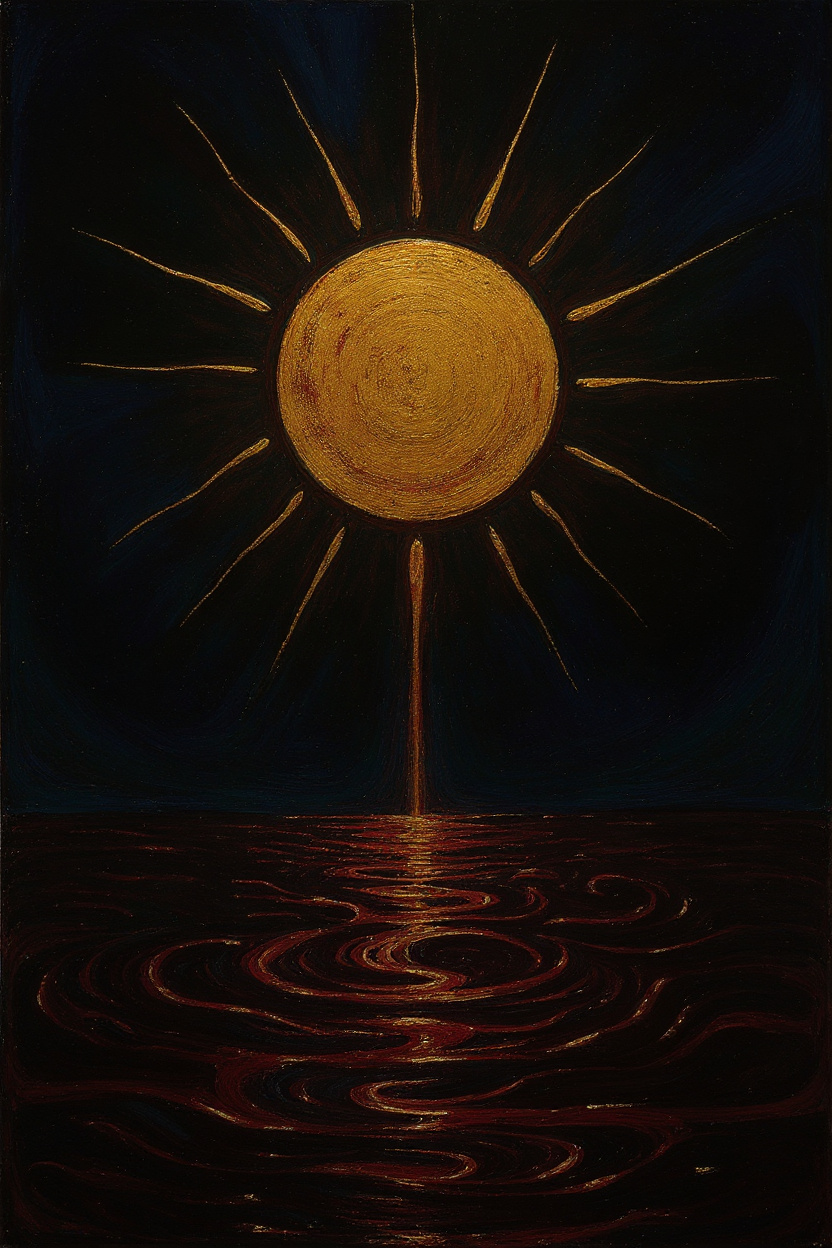
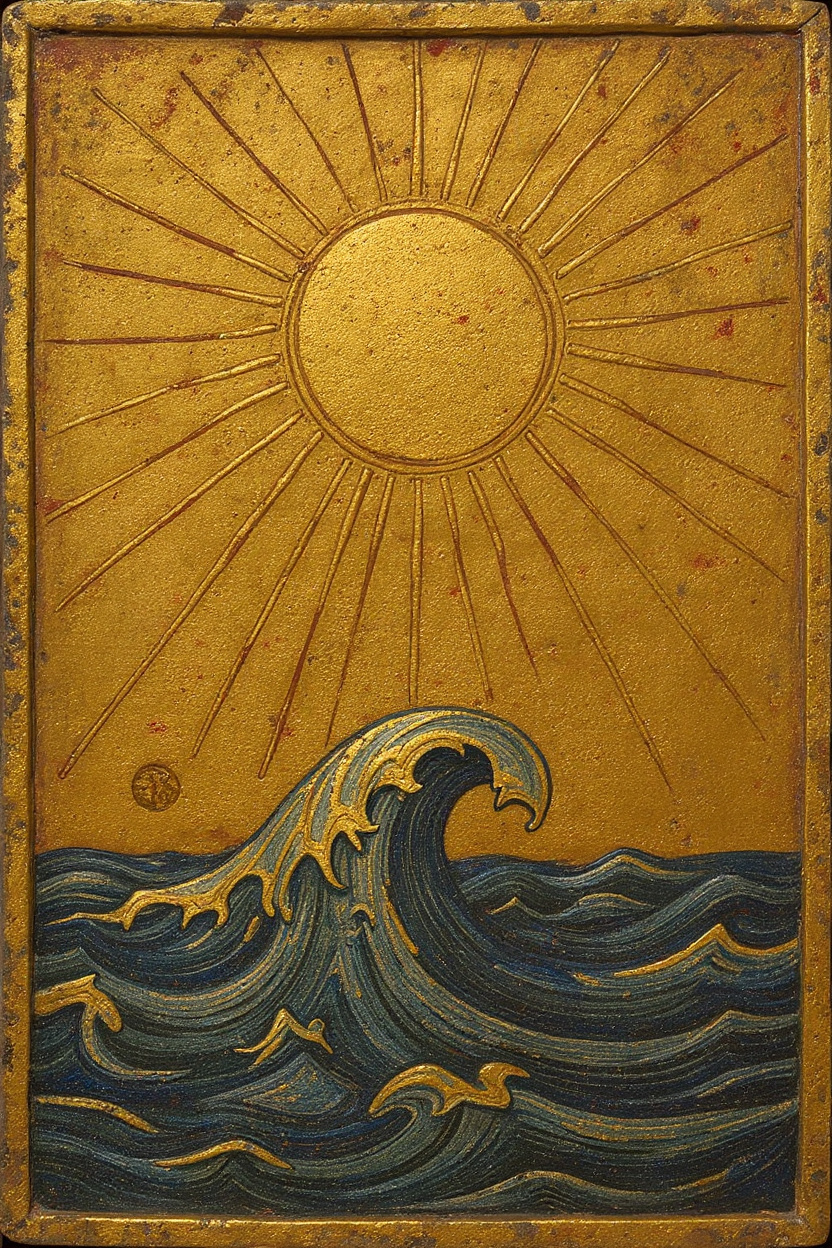
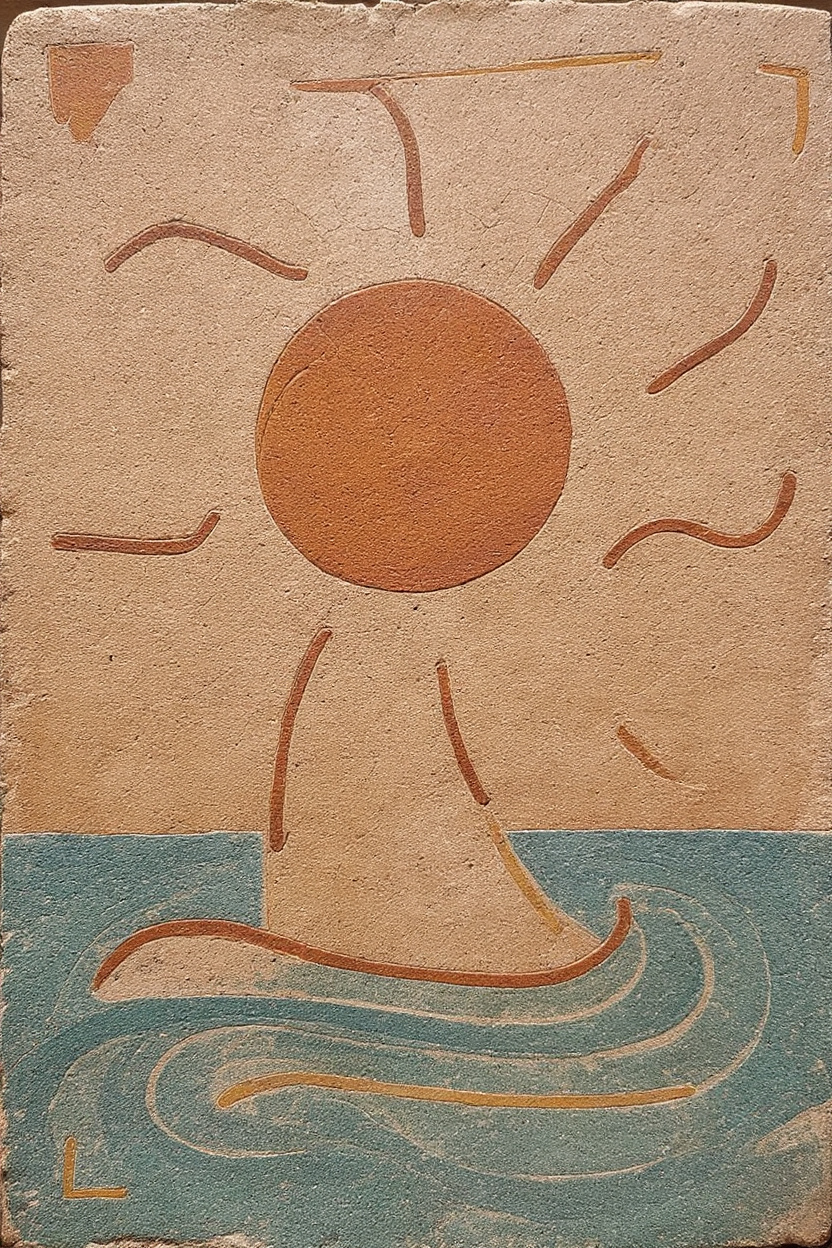
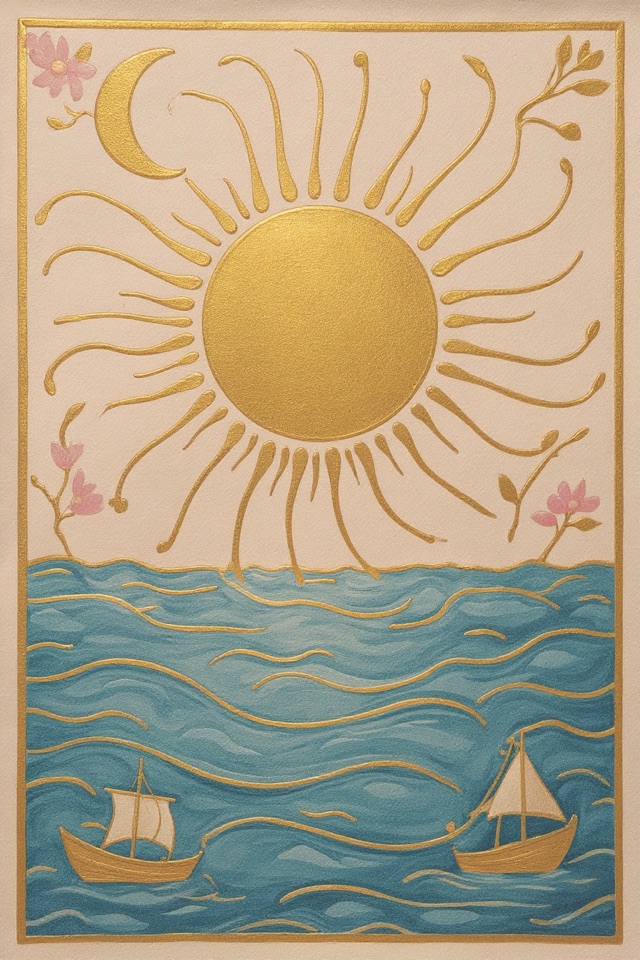
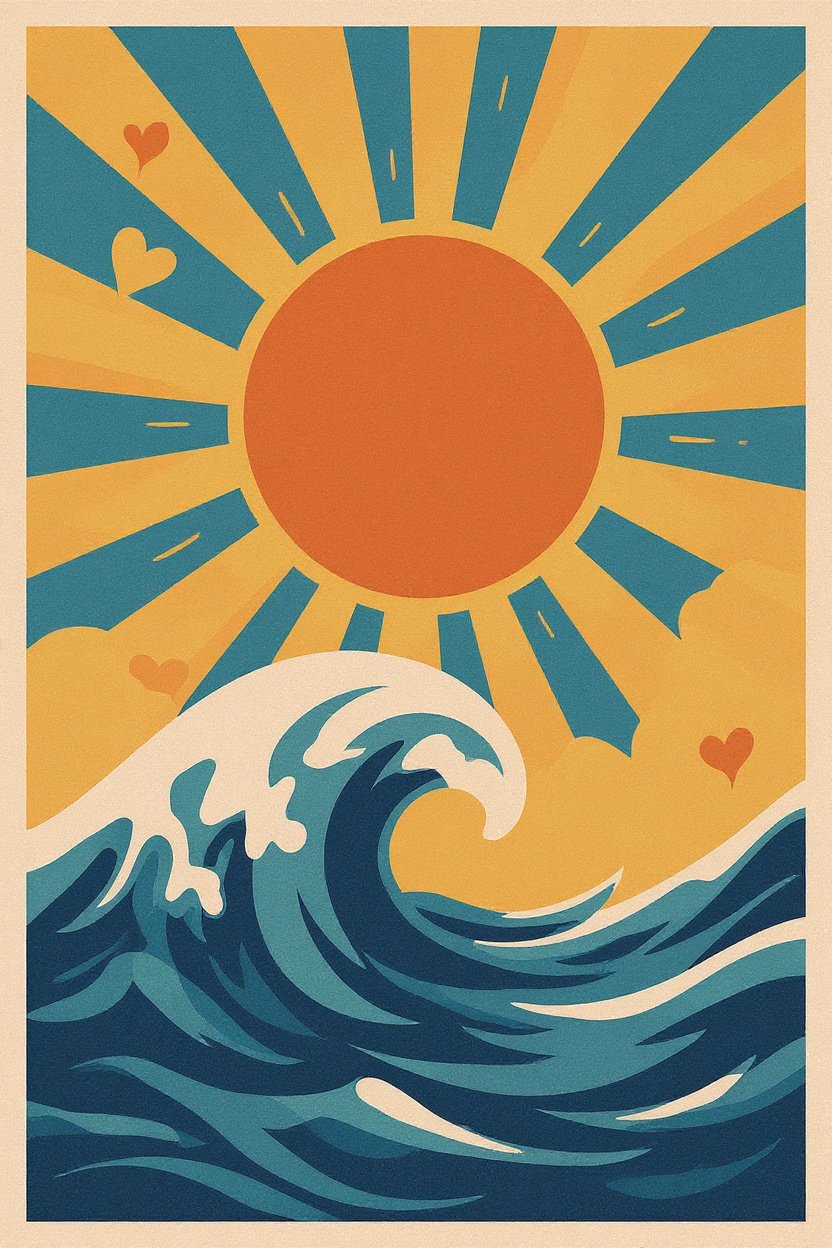
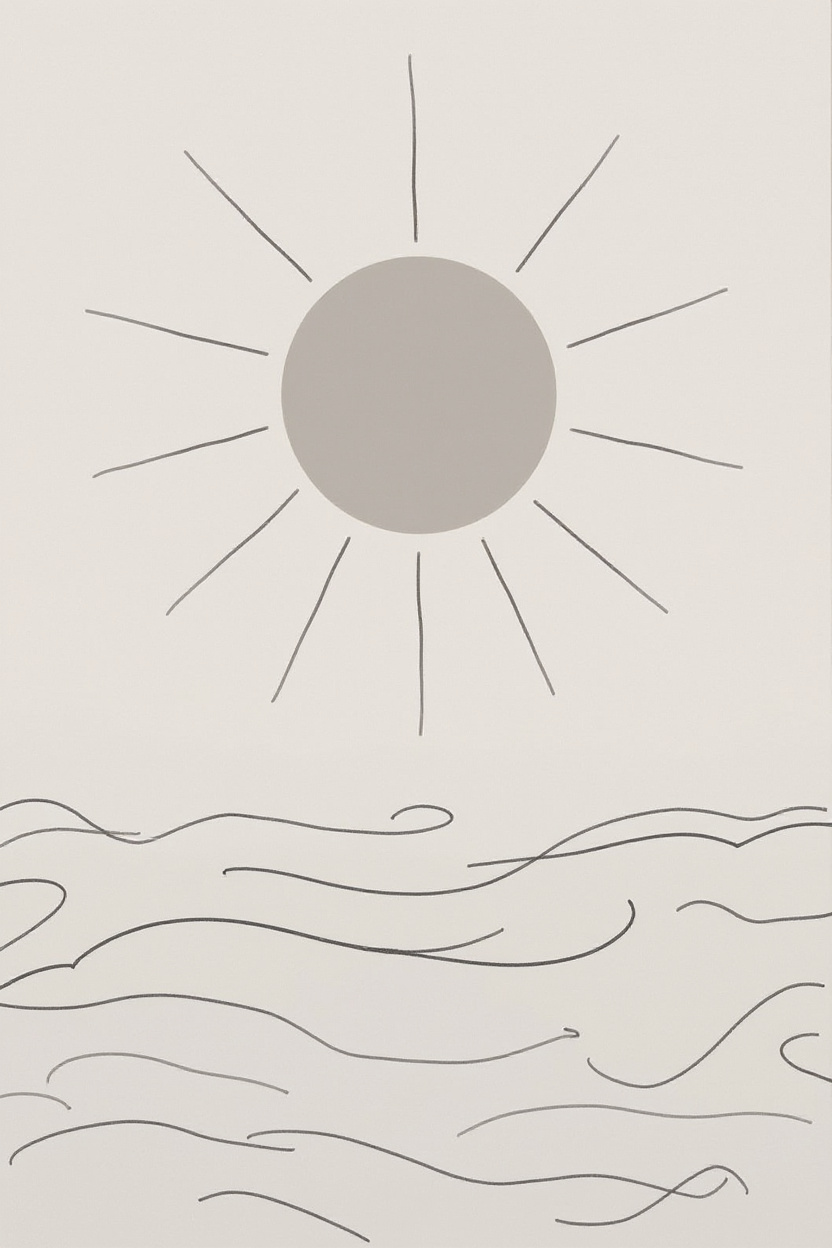
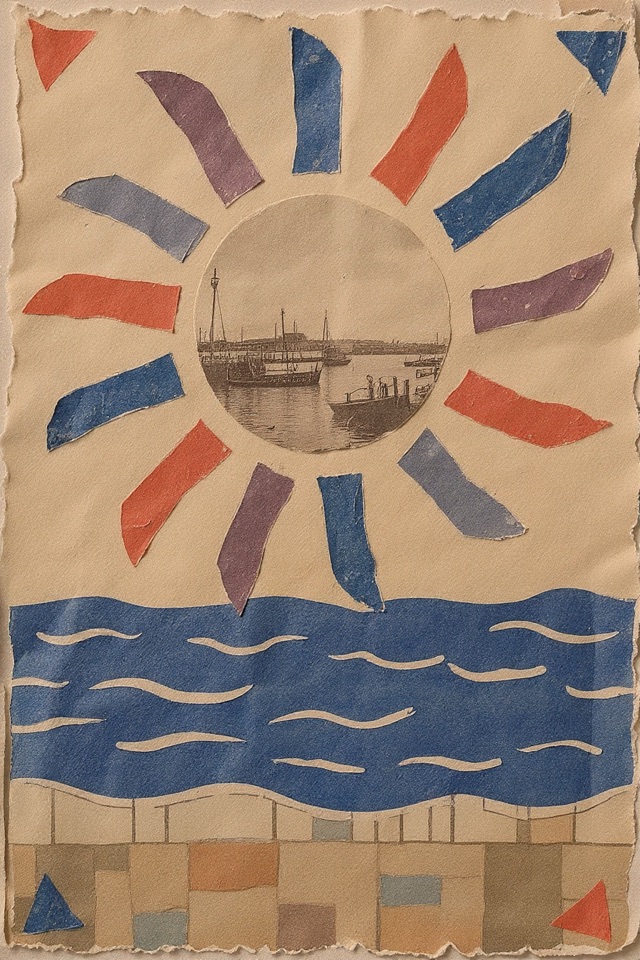
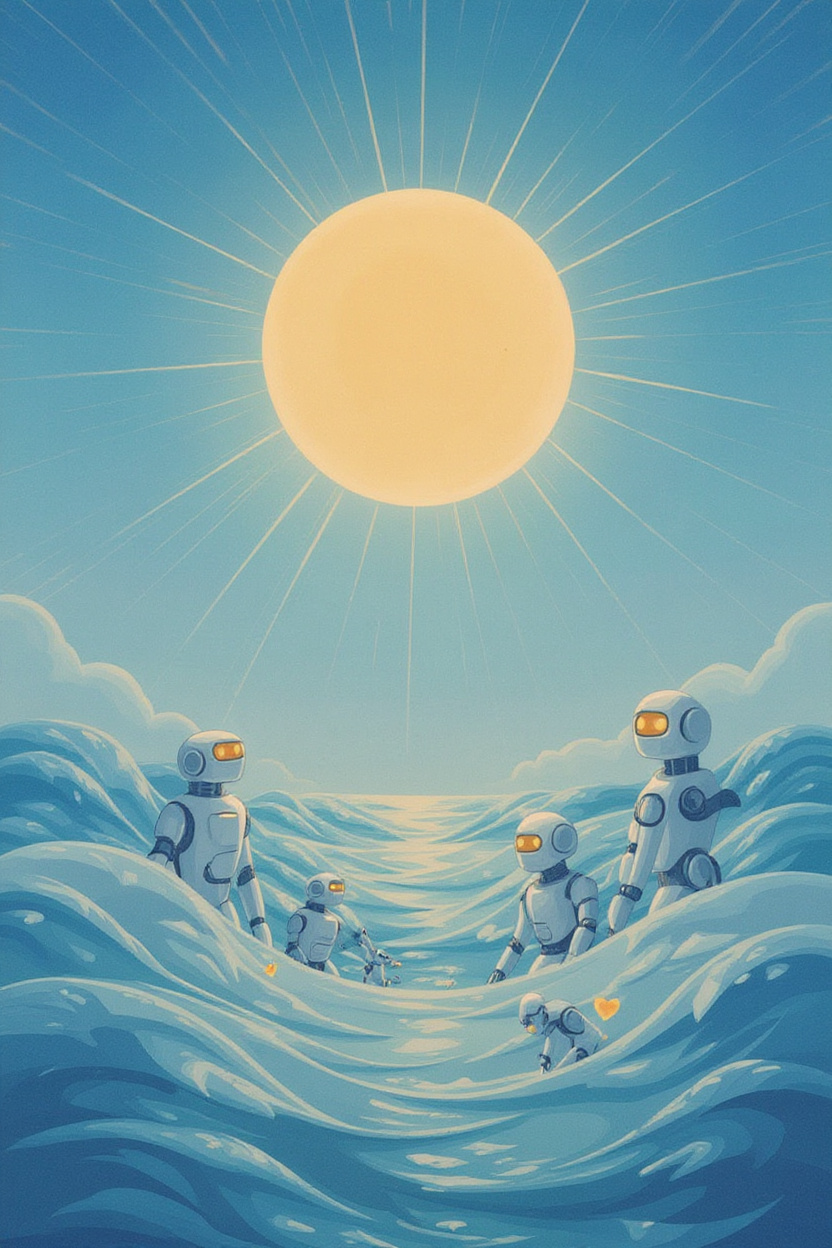
Real results, untouched, each in the colours its look is known for. Your group chooses its own colours too. On the finished deck, each card also gets its number and name.
How it goes
Seven steps, seven cards
Swipe through them, one card at a time.
How long it takes
About two hours, your way
For a group of 20. Run it in one session or let each part become a moment in your programme, in the same room or on a video call.
- 5 minWelcome and how it works
- 15 minEach person draws and makes their offering
- 40 minSharing, about two minutes each
- 15 minYou place the cards, while the group takes a break
- 5 minThe group votes on its look
- 10 minThe final cards are made
- 40 minThe reveal, a minute or two for each card
One intensive session. From start to finish in about two hours.
A thread through a day. Each part becomes its own moment, tying the whole day together.
Over several days. Gather on one day, and reveal on the last.
Entirely online. Everyone takes part from their own device on a video call, so a group can grow close across any distance.
Questions
What you'll want to know
Begin
Bring it to your next programme
Start small. Your first deck is free, so you'll know it from the inside before your group does, and there's nothing to commit to.
- Tell us who you are. One short form, and nothing to pay.
- We open your studio. Within a day we email you your personal code. Sign in with it at arcanakin.com/studio.
- Make your first deck, free. Try it with yourself and a few friends. If you'd like, we'll talk for ten minutes before you go further.
- Run it with your group. When you're ready, your next three decks are $25 each.
Already have your code? Sign in to your studio
Thank you.
Your first card. Press and hold until it fills with light.